A Guide to Corporation Formation in the Netherlands
Category : | Sub Category : Posted on 2025-11-03 22:25:23
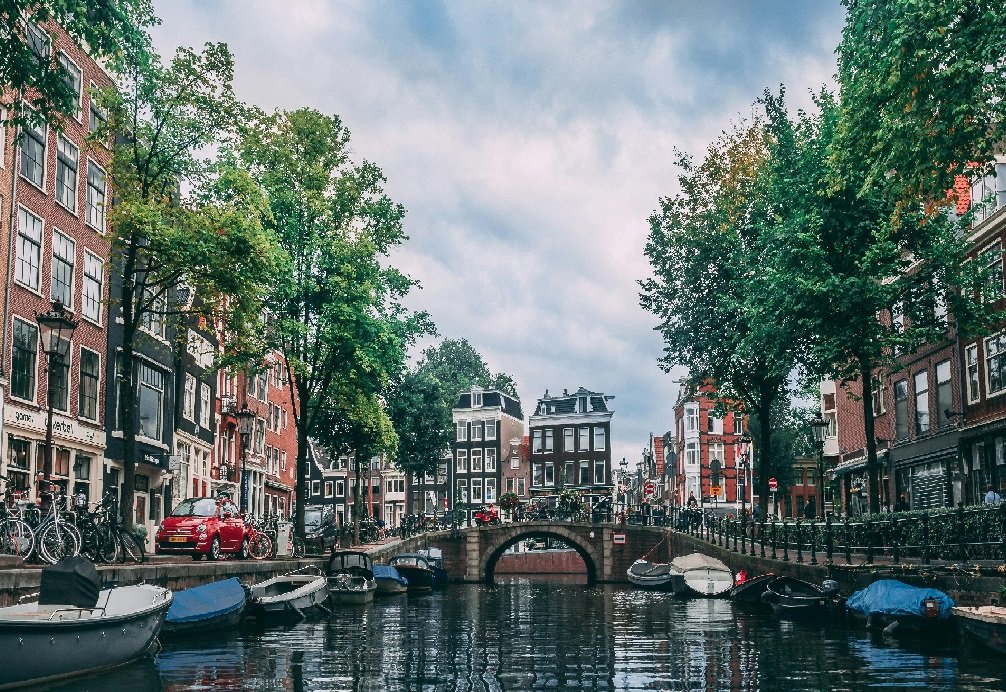
Are you considering starting a business in the Netherlands and wondering about the process of corporation formation? Setting up a corporation in the Netherlands can be a strategic move, given the country's business-friendly environment and well-established infrastructure. In this guide, we will walk you through the key steps involved in forming a corporation in the Netherlands. 1. Choose a Business Structure: The first step in corporation formation is choosing the right business structure. In the Netherlands, the most common business structures are BV (Besloten Vennootschap) and NV (Naamloze Vennootschap). A BV is similar to a private limited liability company, while an NV is akin to a public limited liability company. Consider factors such as liability, tax implications, and governance requirements when selecting a structure. 2. Reserve a Company Name: Before you can register your corporation, you need to reserve a unique company name at the Dutch Trade Register (Kamer van Koophandel). The name should not infringe on existing trademarks and must meet certain criteria specified by the Chamber of Commerce. 3. Draft Articles of Association: The Articles of Association outline the internal regulations of your corporation, including share capital, shareholder rights, management structure, and decision-making processes. Seek legal advice to ensure that your Articles comply with Dutch corporate laws. 4. Notarial Deed and Registration: To formally establish your corporation, you need to have a notarial deed prepared by a civil-law notary in the Netherlands. The deed must be signed by the incorporators and notarized. Subsequently, the corporation is registered with the Chamber of Commerce, which issues a unique Chamber of Commerce number (KVK-nummer). 5. Obtain Tax Identification and VAT Numbers: Following registration, you should apply for a tax identification number (TIN) and value-added tax (VAT) number from the Dutch Tax and Customs Administration (Belastingdienst). These numbers are essential for tax compliance and invoicing purposes. 6. Open a Business Bank Account: Separating your personal and business finances is crucial for accounting and tax purposes. Choose a Dutch bank and open a business bank account in the name of your corporation. Provide the bank with the necessary incorporation documents and identification. 7. Fulfill Ongoing Compliance Requirements: After incorporating your corporation, you must comply with various ongoing obligations, such as filing annual financial statements, holding shareholder meetings, and adhering to Dutch tax regulations. Stay informed about changes in legislation that may impact your business operations. In conclusion, corporation formation in the Netherlands involves a series of steps that require careful consideration and adherence to legal requirements. By following this guide and seeking professional advice where necessary, you can set up a successful corporation in the Netherlands and take advantage of the country's favorable business climate. Good luck on your entrepreneurial journey!
Leave a Comment:
SEARCH
Recent News
- When it comes to European travel destinations, Zurich, Switzerland and Amsterdam, Netherlands are two cities that always seem to capture the imagination of travelers. Both cities offer unique experiences that cater to a wide range of interests, from stunning natural beauty to vibrant cultural scenes. Let's take a closer look at what makes each of these cities so special for travelers.
- Zurich, Switzerland and Amsterdam, Netherlands are both major transportation hubs in Europe. For businesses looking to ship goods internationally, utilizing freight forwarding companies is an essential part of the process. In this blog post, we will discuss some of the top freight forwarding companies in Amsterdam specializing in port services.
- Zurich, Switzerland and Amsterdam, Netherlands are both major international hubs for trade and commerce. When it comes to importing goods into these cities, one crucial step is customs clearance at the ports. Let's take a closer look at the customs clearance process at Amsterdam Port and Zurich Port.
- Zurich, Switzerland, and Amsterdam, Netherlands, are two prominent cities in Europe with thriving industries that contribute significantly to their economies. Let's delve into the industries that drive these cities and make them essential hubs for innovation and business in their respective regions.
- Zurich, Switzerland and Amsterdam, Netherlands are renowned for their thriving business scenes. Both cities offer a combination of economic stability, innovation, and quality of life that make them attractive destinations for entrepreneurs and businesses alike.
- YouTube Content Creation and Translation for Amsterdam Port Freight Forwarding Companies
- In today's digital age, YouTube has become a powerful platform for content creators to reach a global audience. With its user-friendly interface and diverse viewer base, YouTube offers an ideal space for individuals and businesses to showcase their creativity and expertise through videos.
- YouTube Content Creation and Translation for Amsterdam Businesses
READ MORE
9 months ago Category :

When it comes to European travel destinations, Zurich, Switzerland and Amsterdam, Netherlands are two cities that always seem to capture the imagination of travelers. Both cities offer unique experiences that cater to a wide range of interests, from stunning natural beauty to vibrant cultural scenes. Let's take a closer look at what makes each of these cities so special for travelers.
Read More →9 months ago Category :

Zurich, Switzerland and Amsterdam, Netherlands are both major transportation hubs in Europe. For businesses looking to ship goods internationally, utilizing freight forwarding companies is an essential part of the process. In this blog post, we will discuss some of the top freight forwarding companies in Amsterdam specializing in port services.
Read More →9 months ago Category :

Zurich, Switzerland and Amsterdam, Netherlands are both major international hubs for trade and commerce. When it comes to importing goods into these cities, one crucial step is customs clearance at the ports. Let's take a closer look at the customs clearance process at Amsterdam Port and Zurich Port.
Read More →9 months ago Category :
