Exploring Amsterdam: Navigating the Highways and Roads
Category : | Sub Category : Posted on 2025-11-03 22:25:23
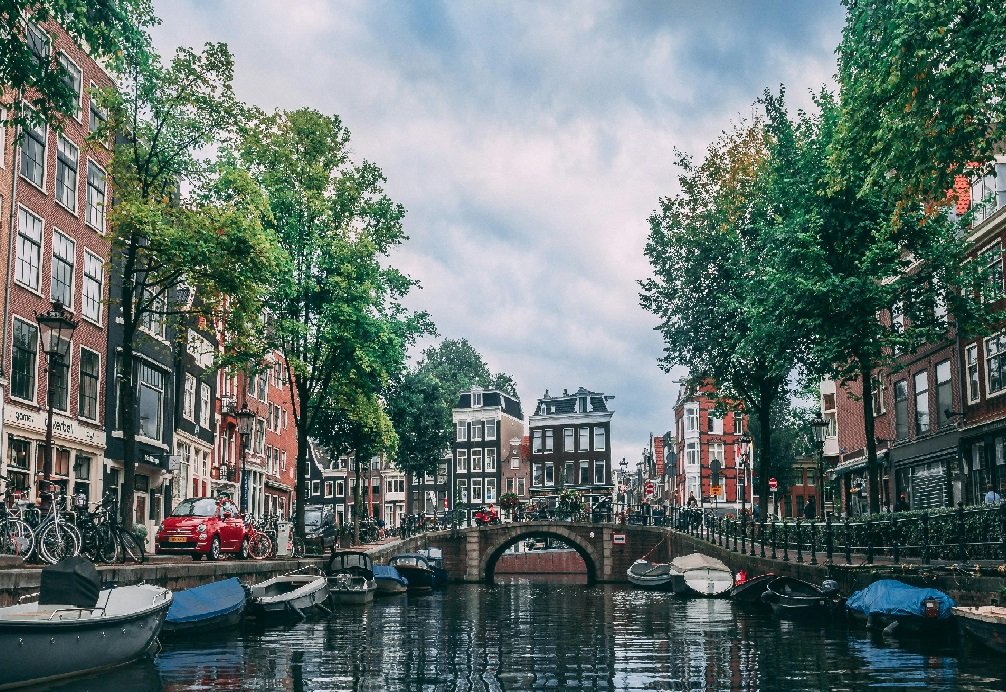
Amsterdam, the capital city of the Netherlands, is a vibrant destination known for its picturesque canals, historic architecture, and artistic heritage. While the city center is easily walkable and bike-friendly, navigating Amsterdam's highways and roads can be a different experience altogether. Here's a guide to help you make the most of your travels in Amsterdam. Highways and Infrastructure: Amsterdam is well-connected to the rest of the Netherlands and Europe through an extensive network of highways. The A10 Ring Road encircles the city and provides access to key destinations such as Schiphol Airport, Utrecht, and The Hague. It's important to note that driving in Amsterdam can be challenging due to narrow streets, heavy bicycle traffic, and limited parking options. If you plan to drive in the city, be prepared for congestion during peak hours and consider using a navigation app to help you navigate the streets. Public Transport: Amsterdam has an efficient and reliable public transport system that includes trams, buses, and metro lines. The GVB network operates throughout the city and offers convenient options for getting around. The OV-chipkaart is the preferred method of payment for public transport in Amsterdam, allowing you to easily hop on and off trams and buses using a prepaid card. Cycling in Amsterdam: One of the best ways to experience Amsterdam is by cycling like a local. The city is known for its bike-friendly infrastructure, with dedicated cycle lanes and bike rental services available throughout the city. Cycling in Amsterdam is a popular and practical way to explore the city's attractions, from the iconic Anne Frank House to the vibrant markets of Albert Cuypstraat. Road Safety and Regulations: When traveling on Amsterdam's highways and roads, it's important to familiarize yourself with local road safety regulations. Speed limits, right of way rules, and bicycle lanes are important considerations for drivers in the city. Be mindful of cyclists and pedestrians, who have the right of way at most intersections. Additionally, be aware of tram tracks and avoid driving on them to prevent accidents. In conclusion, navigating Amsterdam's highways and roads can be a rewarding experience with proper planning and awareness of local infrastructure. Whether you choose to drive, take public transport, or cycle, exploring Amsterdam offers a unique opportunity to discover the city's rich history and vibrant culture. So grab your map, hop on a bike, and get ready to embark on an unforgettable journey through the picturesque streets of Amsterdam. click the following link for more information: https://www.qqhbo.com Check the link: https://www.pilotswife.com For additional information, refer to: https://www.travellersdb.com For an in-depth examination, refer to https://www.mimidate.com If you're interested in this topic, I suggest reading https://www.trackless.org Discover more about this topic through https://www.cotidiano.org Have a look at https://www.topico.net Explore this subject in detail with https://www.sanning.org Check this out https://www.cruzar.org Seeking expert advice? Find it in https://www.carretera.org Want to know more? Don't forget to read: https://www.escapar.org
Leave a Comment:
SEARCH
Recent News
- When it comes to European travel destinations, Zurich, Switzerland and Amsterdam, Netherlands are two cities that always seem to capture the imagination of travelers. Both cities offer unique experiences that cater to a wide range of interests, from stunning natural beauty to vibrant cultural scenes. Let's take a closer look at what makes each of these cities so special for travelers.
- Zurich, Switzerland and Amsterdam, Netherlands are both major transportation hubs in Europe. For businesses looking to ship goods internationally, utilizing freight forwarding companies is an essential part of the process. In this blog post, we will discuss some of the top freight forwarding companies in Amsterdam specializing in port services.
- Zurich, Switzerland and Amsterdam, Netherlands are both major international hubs for trade and commerce. When it comes to importing goods into these cities, one crucial step is customs clearance at the ports. Let's take a closer look at the customs clearance process at Amsterdam Port and Zurich Port.
- Zurich, Switzerland, and Amsterdam, Netherlands, are two prominent cities in Europe with thriving industries that contribute significantly to their economies. Let's delve into the industries that drive these cities and make them essential hubs for innovation and business in their respective regions.
- Zurich, Switzerland and Amsterdam, Netherlands are renowned for their thriving business scenes. Both cities offer a combination of economic stability, innovation, and quality of life that make them attractive destinations for entrepreneurs and businesses alike.
- YouTube Content Creation and Translation for Amsterdam Port Freight Forwarding Companies
- In today's digital age, YouTube has become a powerful platform for content creators to reach a global audience. With its user-friendly interface and diverse viewer base, YouTube offers an ideal space for individuals and businesses to showcase their creativity and expertise through videos.
- YouTube Content Creation and Translation for Amsterdam Businesses
READ MORE
9 months ago Category :

When it comes to European travel destinations, Zurich, Switzerland and Amsterdam, Netherlands are two cities that always seem to capture the imagination of travelers. Both cities offer unique experiences that cater to a wide range of interests, from stunning natural beauty to vibrant cultural scenes. Let's take a closer look at what makes each of these cities so special for travelers.
Read More →9 months ago Category :

Zurich, Switzerland and Amsterdam, Netherlands are both major transportation hubs in Europe. For businesses looking to ship goods internationally, utilizing freight forwarding companies is an essential part of the process. In this blog post, we will discuss some of the top freight forwarding companies in Amsterdam specializing in port services.
Read More →9 months ago Category :

Zurich, Switzerland and Amsterdam, Netherlands are both major international hubs for trade and commerce. When it comes to importing goods into these cities, one crucial step is customs clearance at the ports. Let's take a closer look at the customs clearance process at Amsterdam Port and Zurich Port.
Read More →9 months ago Category :
