Detroit and Amsterdam are two cities with unique industrial histories that have played significant roles in shaping their respective economies and cultures.
Category : | Sub Category : Posted on 2025-11-03 22:25:23
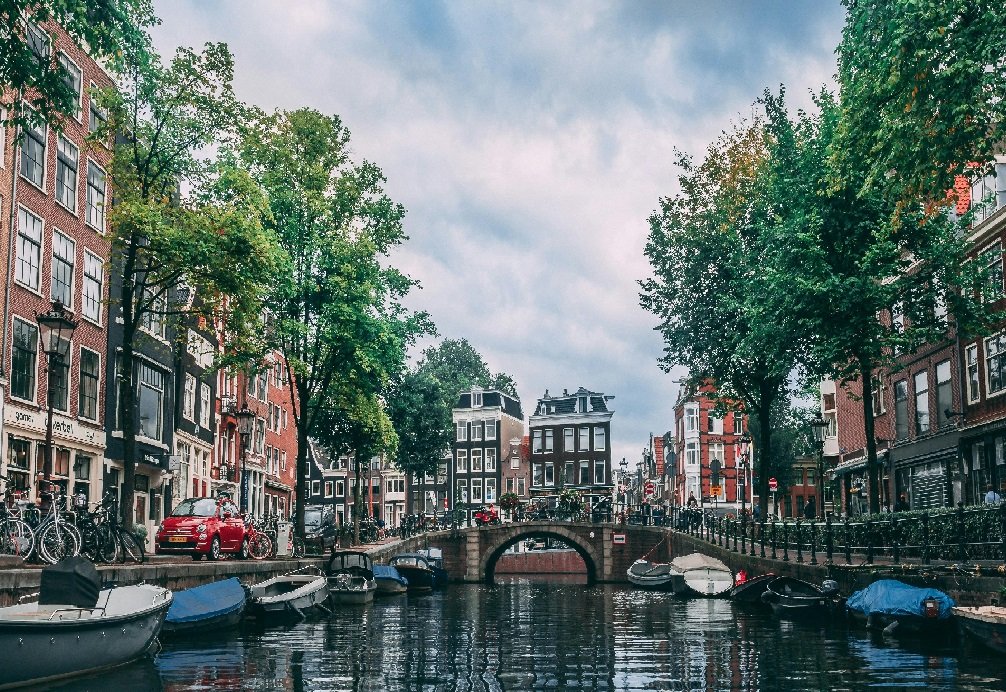
Detroit, known as the Motor City, rose to prominence in the early 20th century as the center of the American automotive industry. Home to major automobile manufacturers like Ford, General Motors, and Chrysler, Detroit became a hub for innovation and production, attracting thousands of workers seeking employment in the booming industry. The city's industrial landscape featured massive factories, assembly lines, and skilled laborers who helped drive the country's economic growth for decades. However, Detroit's industrial dominance began to decline in the late 20th century as foreign competition, changing consumer preferences, and economic downturns took their toll on the local economy. The city faced challenges such as deindustrialization, population loss, and urban blight, leading to struggles with unemployment, poverty, and crime. Despite these setbacks, Detroit has been working towards revitalizing its economy through diversification, urban redevelopment, and investments in emerging industries like technology, healthcare, and renewable energy. On the other hand, Amsterdam has a long history as a center of trade and commerce, dating back to its golden age during the 17th century. The city's strategic location on the North Sea and its network of canals made it an important hub for maritime trade, enabling merchants to establish profitable business connections with countries around the world. Amsterdam's mercantile prosperity led to the growth of industries such as shipping, finance, and textile manufacturing, establishing the city as a global economic powerhouse. In the modern era, Amsterdam has evolved into a thriving hub of innovation and creativity, attracting a diverse range of industries such as technology, finance, tourism, and creative arts. The city's vibrant startup scene, strong infrastructure, and progressive business environment have made it a magnet for entrepreneurs, investors, and skilled professionals looking to capitalize on its dynamic economy and quality of life. Despite their different industrial trajectories, Detroit and Amsterdam share a common ambition to adapt to changing economic conditions, embrace innovation, and create sustainable growth opportunities for their communities. Both cities are leveraging their unique strengths, resources, and talents to build resilient, inclusive, and prosperous economies that can withstand the challenges of the 21st century and beyond. Seeking in-depth analysis? The following is a must-read. https://www.cruzar.org also don't miss more information at https://www.tosanfrancisco.com Check the link below: https://www.toseattle.com Have a visit at https://www.todetroit.com For a comprehensive overview, don't miss: https://www.abandonar.org also for More in https://www.culturelle.org If you are interested you can check the following website https://www.departements.org To see the full details, click on: https://www.regionales.net
Leave a Comment:
SEARCH
Recent News
- When it comes to European travel destinations, Zurich, Switzerland and Amsterdam, Netherlands are two cities that always seem to capture the imagination of travelers. Both cities offer unique experiences that cater to a wide range of interests, from stunning natural beauty to vibrant cultural scenes. Let's take a closer look at what makes each of these cities so special for travelers.
- Zurich, Switzerland and Amsterdam, Netherlands are both major transportation hubs in Europe. For businesses looking to ship goods internationally, utilizing freight forwarding companies is an essential part of the process. In this blog post, we will discuss some of the top freight forwarding companies in Amsterdam specializing in port services.
- Zurich, Switzerland and Amsterdam, Netherlands are both major international hubs for trade and commerce. When it comes to importing goods into these cities, one crucial step is customs clearance at the ports. Let's take a closer look at the customs clearance process at Amsterdam Port and Zurich Port.
- Zurich, Switzerland, and Amsterdam, Netherlands, are two prominent cities in Europe with thriving industries that contribute significantly to their economies. Let's delve into the industries that drive these cities and make them essential hubs for innovation and business in their respective regions.
- Zurich, Switzerland and Amsterdam, Netherlands are renowned for their thriving business scenes. Both cities offer a combination of economic stability, innovation, and quality of life that make them attractive destinations for entrepreneurs and businesses alike.
- YouTube Content Creation and Translation for Amsterdam Port Freight Forwarding Companies
- In today's digital age, YouTube has become a powerful platform for content creators to reach a global audience. With its user-friendly interface and diverse viewer base, YouTube offers an ideal space for individuals and businesses to showcase their creativity and expertise through videos.
- YouTube Content Creation and Translation for Amsterdam Businesses
READ MORE
9 months ago Category :

When it comes to European travel destinations, Zurich, Switzerland and Amsterdam, Netherlands are two cities that always seem to capture the imagination of travelers. Both cities offer unique experiences that cater to a wide range of interests, from stunning natural beauty to vibrant cultural scenes. Let's take a closer look at what makes each of these cities so special for travelers.
Read More →9 months ago Category :

Zurich, Switzerland and Amsterdam, Netherlands are both major transportation hubs in Europe. For businesses looking to ship goods internationally, utilizing freight forwarding companies is an essential part of the process. In this blog post, we will discuss some of the top freight forwarding companies in Amsterdam specializing in port services.
Read More →9 months ago Category :

Zurich, Switzerland and Amsterdam, Netherlands are both major international hubs for trade and commerce. When it comes to importing goods into these cities, one crucial step is customs clearance at the ports. Let's take a closer look at the customs clearance process at Amsterdam Port and Zurich Port.
Read More →9 months ago Category :
