Amsterdam: A Hub of Industrious Conflict in History
Category : | Sub Category : Posted on 2025-11-03 22:25:23
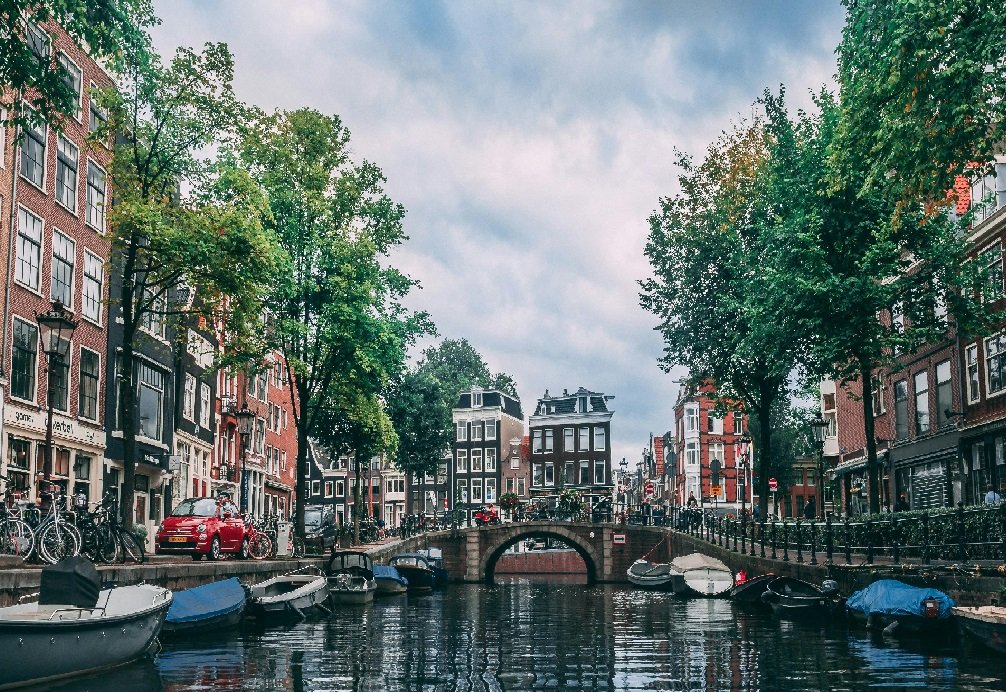
Amsterdam, known for its picturesque canals and vibrant culture, has a rich history that is rife with conflicts, particularly in the realm of industry. Throughout the centuries, the city has been a melting pot of commerce and trade, attracting merchants, craftsmen, and entrepreneurs from far and wide. However, this bustling industrial landscape has also been the stage for numerous clashes and struggles, shaping the city's narrative in profound ways. One of the most notable conflicts in Amsterdam's industrial history is the Weaver's Uprising of 1691. At the height of the city's prominence as a major textile producer, weavers faced harsh working conditions and low wages. Frustrated and desperate, they banded together to demand better treatment from their employers. The uprising quickly escalated into a violent confrontation between the weavers and the authorities, exposing the deep-seated inequalities that plagued Amsterdam's burgeoning textile industry. Another significant conflict unfolded in the 18th century when shipbuilders in Amsterdam protested against the growing influence of foreign competition. As the city's shipyards faced stiff competition from abroad, local craftsmen feared losing their livelihoods and took to the streets in protest. The clash between traditional shipbuilders and modern industrial practices exposed the tensions between tradition and progress in Amsterdam's industrial landscape. In more recent times, Amsterdam has grappled with conflicts surrounding environmental sustainability and urban development. The city's booming tourism industry has put a strain on its infrastructure and resources, leading to debates about the balance between economic growth and environmental conservation. As Amsterdam continues to evolve as a global economic hub, these conflicts highlight the challenges of maintaining a sustainable and inclusive industrial landscape. Despite the conflicts that have shaped its history, Amsterdam remains a symbol of resilience and innovation in the face of adversity. The city's ability to adapt and thrive in the midst of industrial strife is a testament to the indomitable spirit of its people. As Amsterdam continues to write its industrial story, it will undoubtedly face new conflicts and challenges, but it is through these struggles that the city will continue to grow and evolve. In conclusion, conflicts in Amsterdam's industrial history have played a pivotal role in shaping the city's identity and trajectory. From the Weaver's Uprising to contemporary debates on sustainability, these conflicts have underscored the complexities of industrialization and the enduring spirit of Amsterdam's industrious inhabitants. As the city looks towards the future, it will be essential to learn from the lessons of the past and strive towards a more equitable and sustainable industrial landscape for generations to come. Want a deeper understanding? https://www.abandonar.org Check this out https://www.departements.org You can find more about this subject in https://www.envoyer.org
Leave a Comment:
SEARCH
Recent News
- When it comes to European travel destinations, Zurich, Switzerland and Amsterdam, Netherlands are two cities that always seem to capture the imagination of travelers. Both cities offer unique experiences that cater to a wide range of interests, from stunning natural beauty to vibrant cultural scenes. Let's take a closer look at what makes each of these cities so special for travelers.
- Zurich, Switzerland and Amsterdam, Netherlands are both major transportation hubs in Europe. For businesses looking to ship goods internationally, utilizing freight forwarding companies is an essential part of the process. In this blog post, we will discuss some of the top freight forwarding companies in Amsterdam specializing in port services.
- Zurich, Switzerland and Amsterdam, Netherlands are both major international hubs for trade and commerce. When it comes to importing goods into these cities, one crucial step is customs clearance at the ports. Let's take a closer look at the customs clearance process at Amsterdam Port and Zurich Port.
- Zurich, Switzerland, and Amsterdam, Netherlands, are two prominent cities in Europe with thriving industries that contribute significantly to their economies. Let's delve into the industries that drive these cities and make them essential hubs for innovation and business in their respective regions.
- Zurich, Switzerland and Amsterdam, Netherlands are renowned for their thriving business scenes. Both cities offer a combination of economic stability, innovation, and quality of life that make them attractive destinations for entrepreneurs and businesses alike.
- YouTube Content Creation and Translation for Amsterdam Port Freight Forwarding Companies
- In today's digital age, YouTube has become a powerful platform for content creators to reach a global audience. With its user-friendly interface and diverse viewer base, YouTube offers an ideal space for individuals and businesses to showcase their creativity and expertise through videos.
- YouTube Content Creation and Translation for Amsterdam Businesses
READ MORE
10 months ago Category :

When it comes to European travel destinations, Zurich, Switzerland and Amsterdam, Netherlands are two cities that always seem to capture the imagination of travelers. Both cities offer unique experiences that cater to a wide range of interests, from stunning natural beauty to vibrant cultural scenes. Let's take a closer look at what makes each of these cities so special for travelers.
Read More →10 months ago Category :

Zurich, Switzerland and Amsterdam, Netherlands are both major transportation hubs in Europe. For businesses looking to ship goods internationally, utilizing freight forwarding companies is an essential part of the process. In this blog post, we will discuss some of the top freight forwarding companies in Amsterdam specializing in port services.
Read More →10 months ago Category :

Zurich, Switzerland and Amsterdam, Netherlands are both major international hubs for trade and commerce. When it comes to importing goods into these cities, one crucial step is customs clearance at the ports. Let's take a closer look at the customs clearance process at Amsterdam Port and Zurich Port.
Read More →10 months ago Category :
